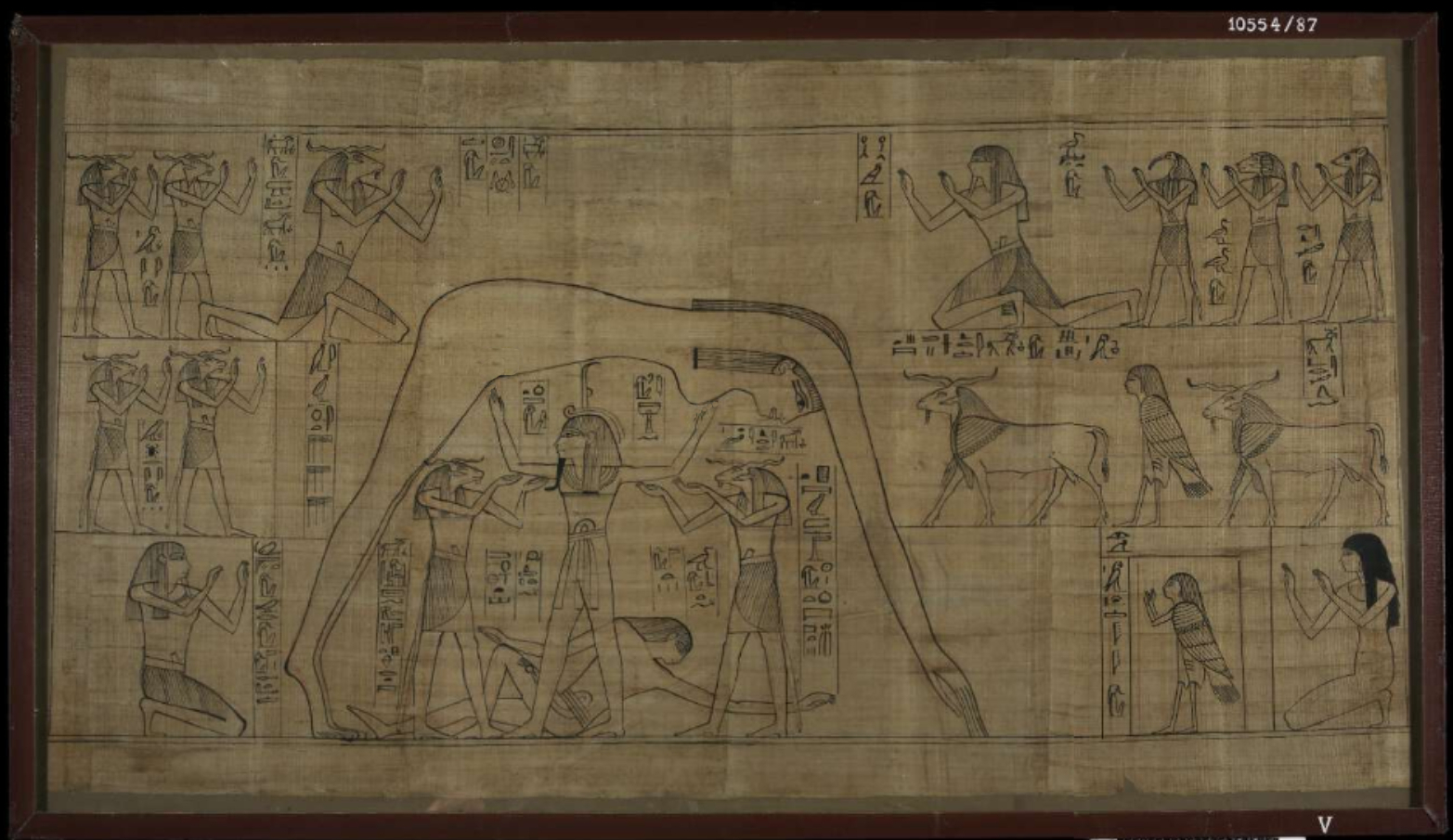
Unveiling New Connections: The Egyptian Portrait of Gab and Nut, Machu Picchu, and the Wall of Gog and Magog
My research into the ancient civilizations of Egypt and the mysterious structures of Machu Picchu continues to reveal new insights, deepening the connection between the ancient Egyptian portrait of Gab and Nut and the legendary Wall of Gog and Magog. The discoveries outlined here offer fresh perspectives on the timeline, symbolic meanings, and geographical significance of these ancient artifacts, all leading back to the hidden and forgotten knowledge shared between these ancient cultures.
1. The Papyrus Portrait of Gab and Nut: Created Just After the Wall of Gog and Magog?
One of the most intriguing revelations in my research is the discovery that a papyrus portrait of Gab and Nut was created around 950 B.C.E. This timeframe is significant because biblical records suggest the Wall of Gog and Magog was constructed around 1000 B.C.E. The proximity of these dates strongly suggests that this portrait was created shortly after the Wall was built.
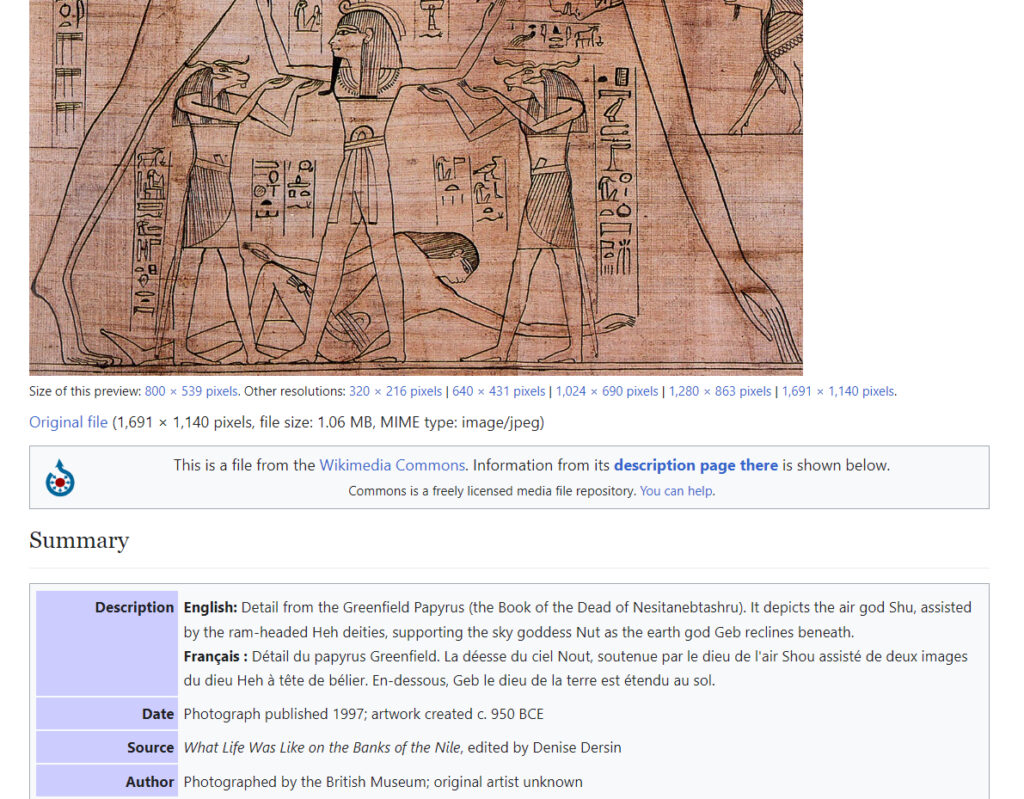
This timing leads to an important implication: the ancient Egyptians may have been aware of the events surrounding the Wall’s construction. Could it be that this portrait subtly references the Wall of Gog and Magog, linking this biblical event to Egyptian artistic tradition? If so, it places the portrait within a broader historical framework, potentially uniting religious and archaeological evidence. This discovery offers a tantalizing clue about the extent of ancient Egypt’s knowledge and interaction with distant lands and significant events.
2. Zulqarnain and the Two-Horned Figure: Connecting Quranic and Biblical Descriptions
One of the key figures in my research is the Quranic figure Zulqarnain, whose name translates to “the man with two horns.” While Zulqarnain is not a proper name but a title, it opens a fascinating door when compared to the biblical Gog of Magog, described as the “chief prince of Meshek and Tubal.” The depiction of a powerful leader overseeing a massive people—the Gog of Magog—echoes the role Zulqarnain plays in the Quran as the builder of a barrier to protect the world from these chaotic forces.
The Egyptian portrait of Gab and Nut takes this comparison a step further. In the artwork, a two-horned figure stands opposite the Egyptian gods, shown as an apostle or ruler. Interestingly, the portrait also features a falcon-headed figure, representing Horus, the son of Osiris and prince of Egypt, who appears to be captured by the two-horned man.
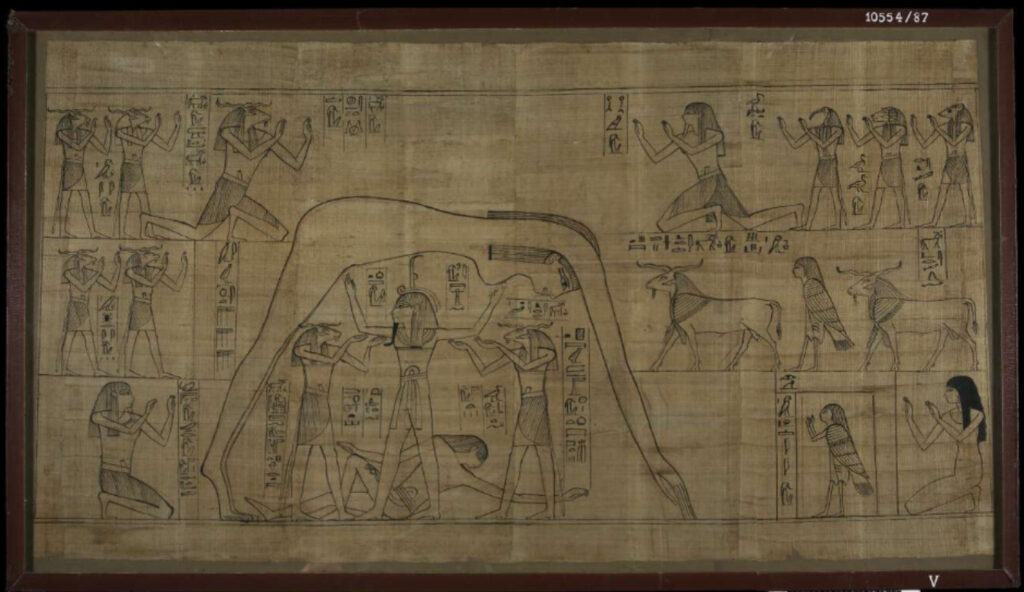
Could this symbolic representation of the two-horned figure be connected to Zulqarnain, the builder of the Wall of Gog and Magog? The alignment of these figures across the Quran, the Bible, and Egyptian iconography suggests a shared understanding of a powerful leader responsible for constructing the Wall. These insights shed light on the deeper connections between the stories and mythologies of ancient civilizations, adding credibility to the idea that Zulqarnain and Gog of Magog may be interpreted as the same figure across different cultures.
3. The Portrait of Gab and Nut and Its Alignment with Machu Picchu’s Geography
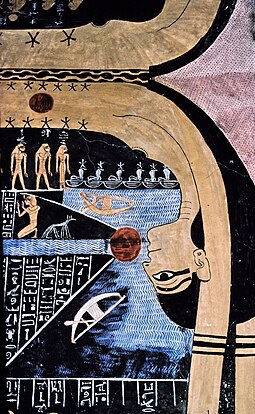
Perhaps the most groundbreaking discovery in my research involves the alignment of an Egyptian portrait of Gab and Nut with the geographical layout of Machu Picchu. In this portrait, Gab and Nut are shown in the same posture as in other depictions, but their positioning seems to correlate with the movement of the sun—specifically, sunrise and sunset.
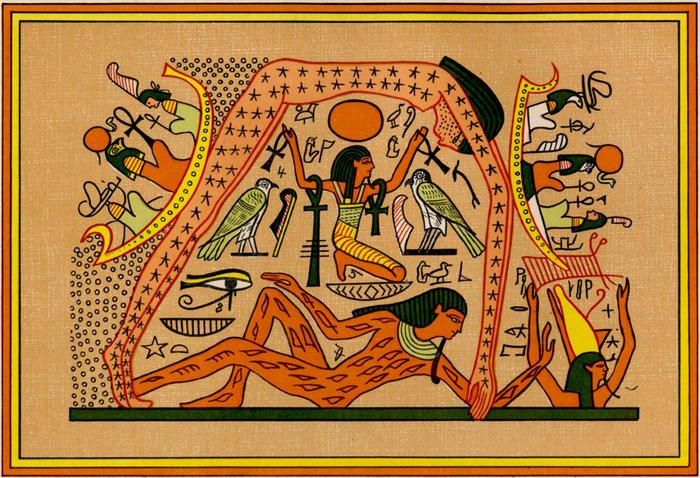
When overlaid on the topography of Machu Picchu, the portrait’s elements correspond to key solar phenomena. For example, Gab’s hand points toward a mountain behind which the sun rises, while his shoulder aligns with the position of the sun at its peak during the day. His other hand, resting on his knee and pointing, indicates the mountain where the sun sets. These alignments match with the known solar structures at Machu Picchu, such as the Sun Gate in the east and the Sun Mirror in the west.
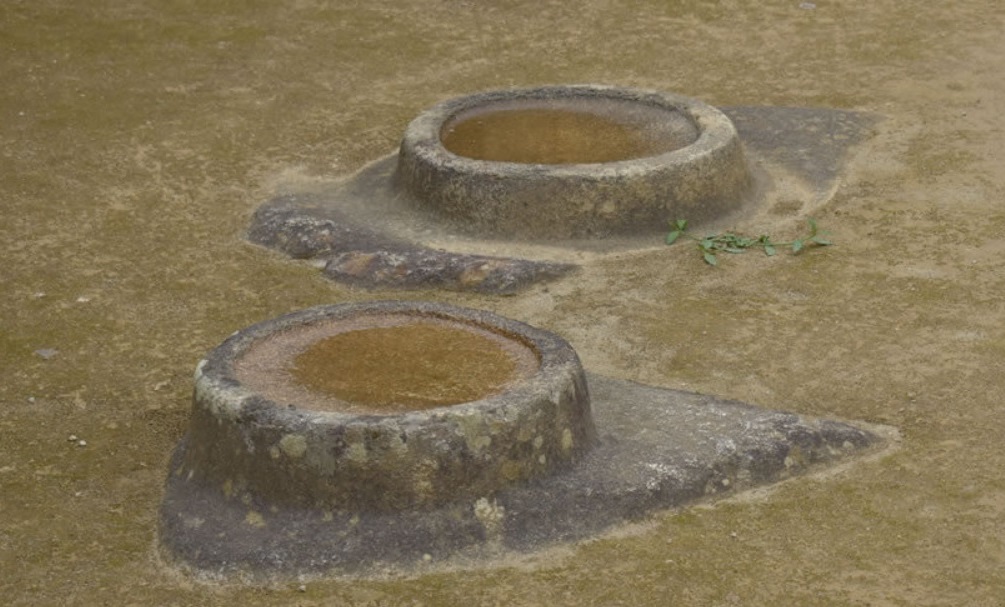
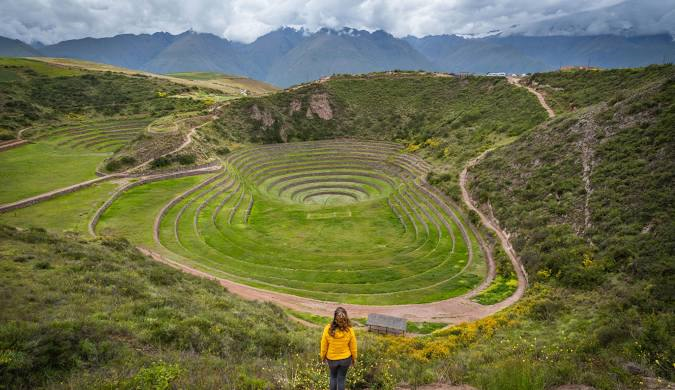
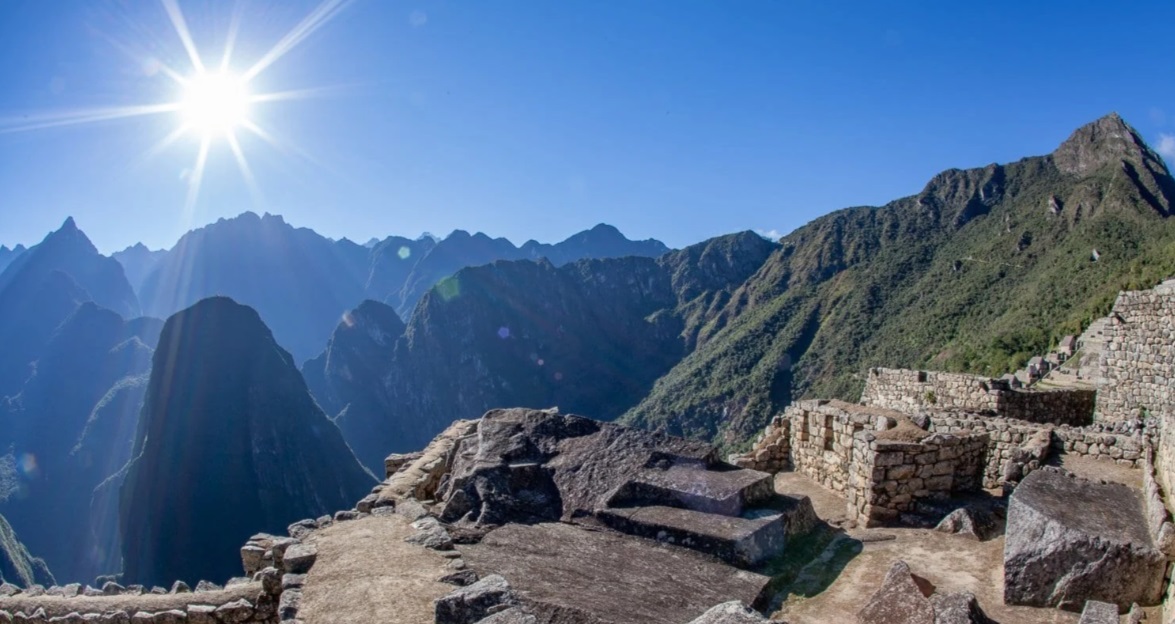
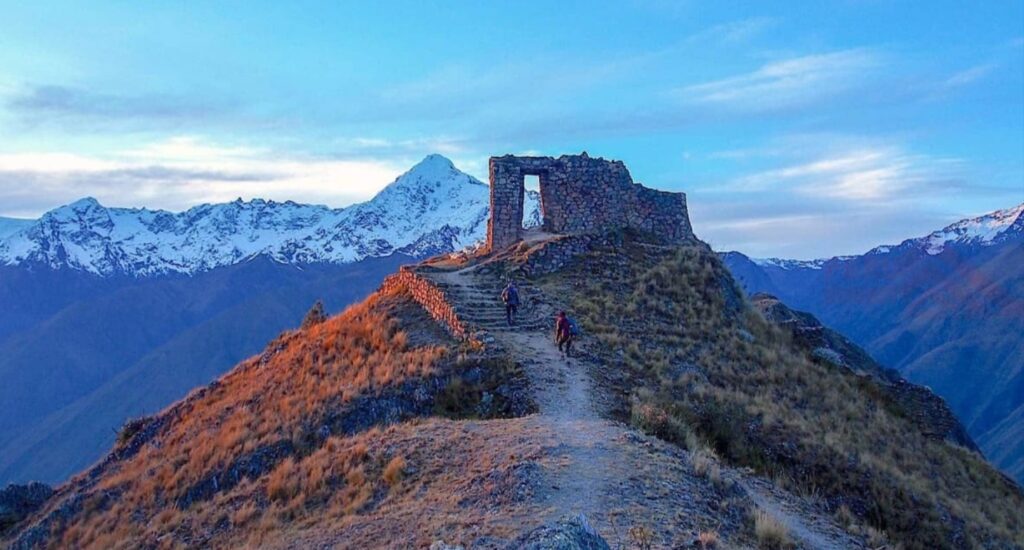
This discovery suggests that the Egyptians weren’t merely creating art; they were encoding astronomical and geographical knowledge into their portraits. The solar alignments depicted in these works point to the possibility that Machu Picchu’s structures, often attributed to the Incas, may have deeper roots in ancient Egyptian solar worship practices. This revelation opens the door to a new understanding of Machu Picchu, potentially placing it within the context of a much older civilization that predated the Incas and might have shared knowledge with ancient Egypt.
Conclusion: A Hidden Connection Between Egypt and Machu Picchu?
These three new discoveries—namely, the timing of the papyrus portrait, the symbolism of the two-horned figure, and the solar alignments in the Gab and Nut portrait—further bolster the argument that Machu Picchu might have been a significant site long before the rise of the Incan Empire. The possibility that an ancient, advanced civilization, perhaps connected to Egypt, once thrived in the Andes offers an exciting new direction for research.
By investigating these connections between religious texts, ancient Egyptian iconography, and Machu Picchu’s geographical features, we may uncover hidden truths about the origins of these structures and the shared knowledge of these ancient peoples. Machu Picchu could very well be a living relic of a lost civilization, one that understood the stars, the sun, and the forces that shaped their world.
Author Bio
I’m Hira Ansari, an independent researcher driven by a passion for uncovering hidden links between ancient civilizations, religious texts, and geographical mysteries. My journey began with a simple question about a Quranic verse and has since led me down a path of discovery that spans continents, religions, and millennia. From the sun mirrors of Machu Picchu to the hieroglyphs of ancient Egypt, my work aims to bridge the gap between history and modern science, offering new perspectives on our shared past.