Unveiling New Connections: The Egyptian Portrait of Gab and Nut, Machu Picchu, and the Wall of Gog and Magog
My research into the ancient civilizations of Egypt and the mysterious structures of Machu Picchu continues to reveal new insights, deepening the connection between the ancient Egyptian portrait of Gab and Nut and the legendary Wall of Gog and Magog. The discoveries outlined here offer fresh perspectives on the timeline, symbolic meanings, and geographical significance of these ancient artifacts, all leading back to the hidden and forgotten knowledge shared between these ancient cultures.
1. The Papyrus Portrait of Gab and Nut: Created Just After the Wall of Gog and Magog?
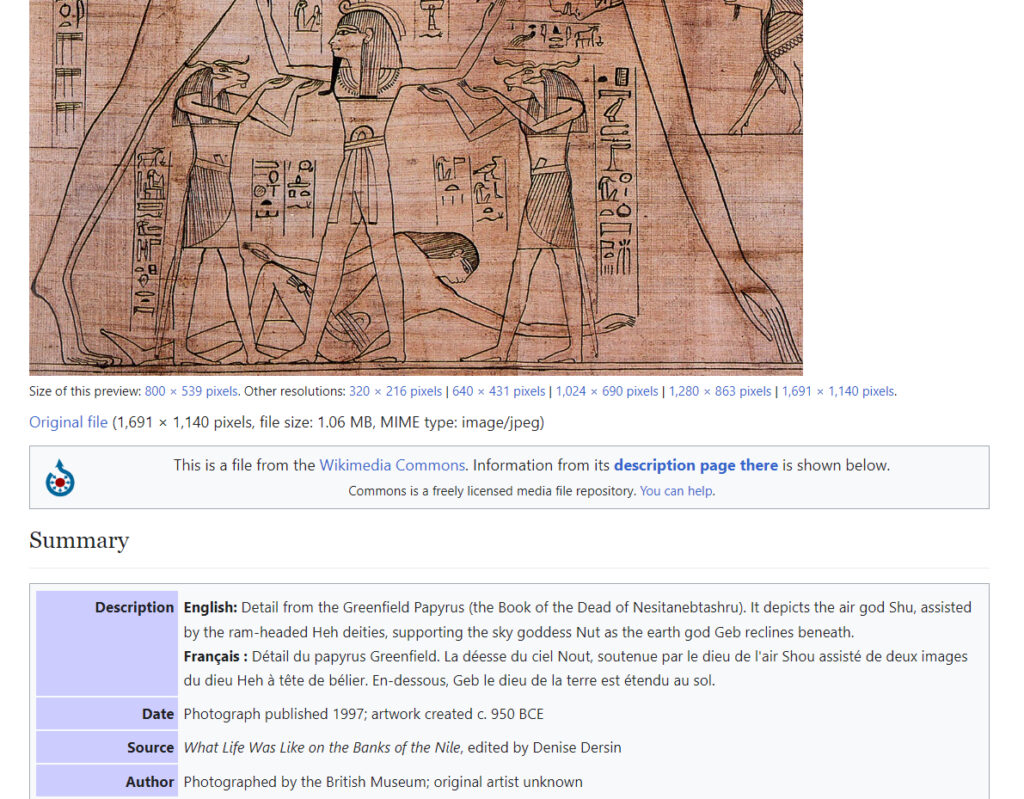
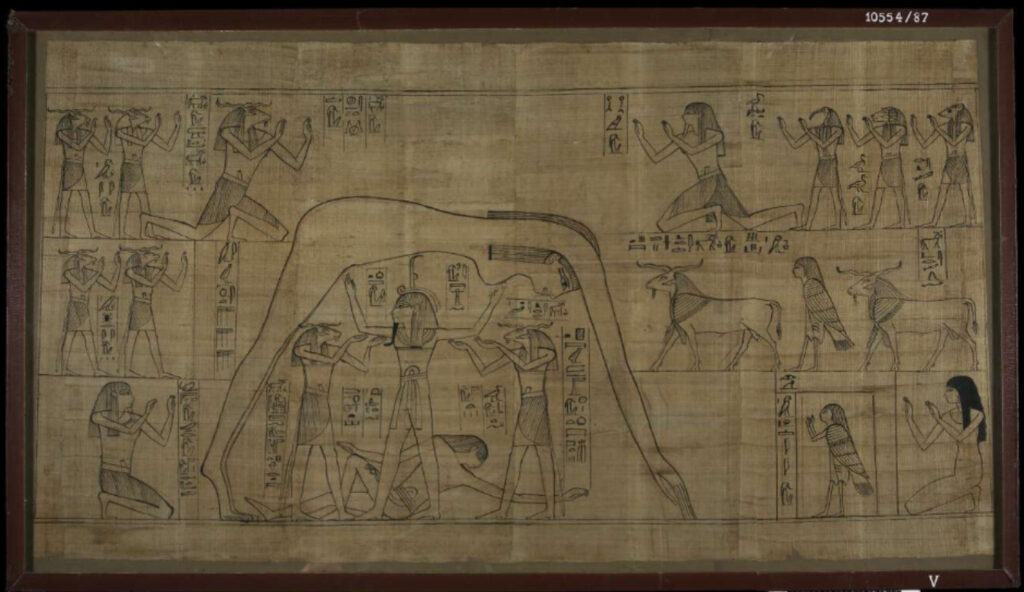
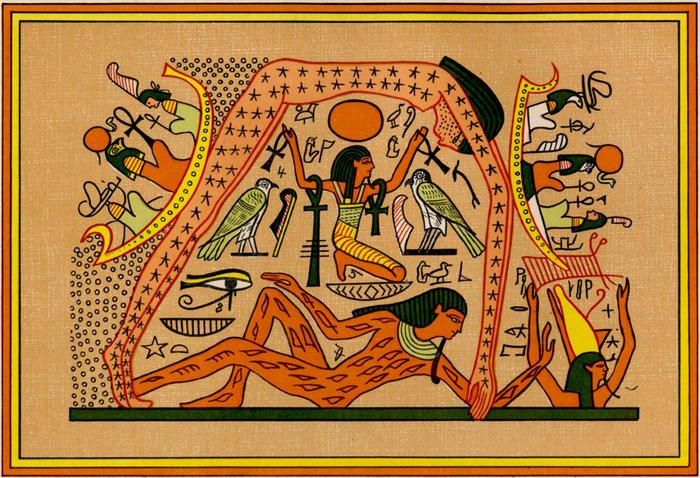
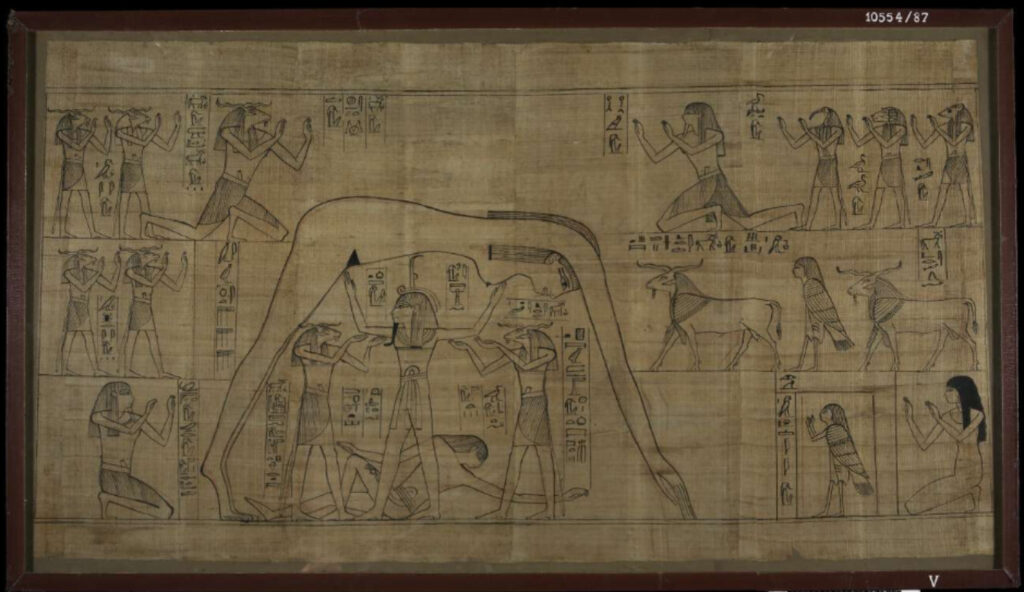
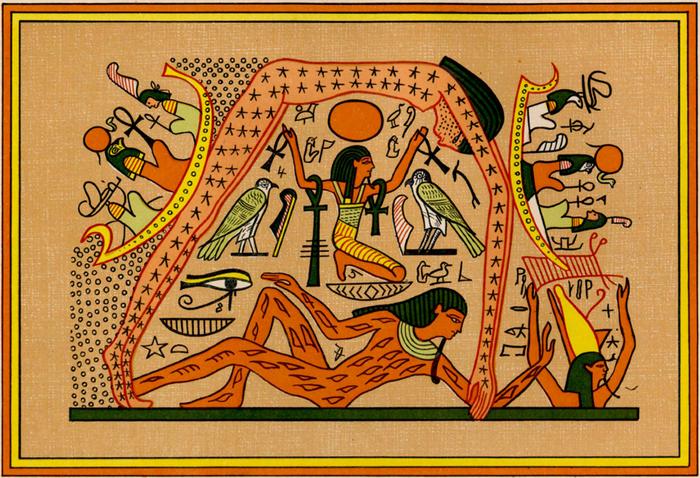
One of the most intriguing revelations in my research is the discovery that a papyrus portrait of Gab and Nut was created around 950 B.C.E. This timeframe is significant because biblical records suggest the Wall of Gog and Magog was constructed around 1000 B.C.E. The proximity of these dates strongly suggests that this portrait was created shortly after the Wall was built.
This timing leads to an important implication: the ancient Egyptians may have been aware of the events surrounding the Wall’s construction. Could it be that this portrait subtly references the Wall of Gog and Magog, linking this biblical event to Egyptian artistic tradition? If so, it places the portrait within a broader historical framework, potentially uniting religious and archaeological evidence. This discovery offers a tantalizing clue about the extent of ancient Egypt’s knowledge and interaction with distant lands and significant events.
2. Zulqarnain and the Two-Horned Figure: Connecting Quranic and Biblical Descriptions
One of the key figures in my research is the Quranic figure Zulqarnain, whose name translates to “the man with two horns.” While Zulqarnain is not a proper name but a title, it opens a fascinating door when compared to the biblical Gog of Magog, described as the “chief prince of Meshek and Tubal.” The depiction of a powerful leader overseeing a massive people—the Gog of Magog—echoes the role Zulqarnain plays in the Quran as the builder of a barrier to protect the world from these chaotic forces.
The Egyptian portrait of Gab and Nut takes this comparison a step further. In the artwork, a two-horned figure stands opposite the Egyptian gods, shown as an apostle or ruler. Interestingly, the portrait also features a falcon-headed figure, representing Horus, the son of Osiris and prince of Egypt, who appears to be captured by the two-horned man.
Could this symbolic representation of the two-horned figure be connected to Zulqarnain, the builder of the Wall of Gog and Magog? The alignment of these figures across the Quran, the Bible, and Egyptian iconography suggests a shared understanding of a powerful leader responsible for constructing the Wall. These insights shed light on the deeper connections between the stories and mythologies of ancient civilizations, adding credibility to the idea that Zulqarnain and Gog of Magog may be interpreted as the same figure across different cultures.
3. The Portrait of Gab and Nut and Its Alignment with Machu Picchu’s Geography
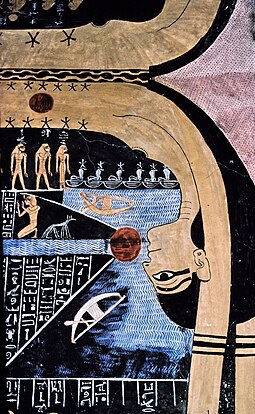
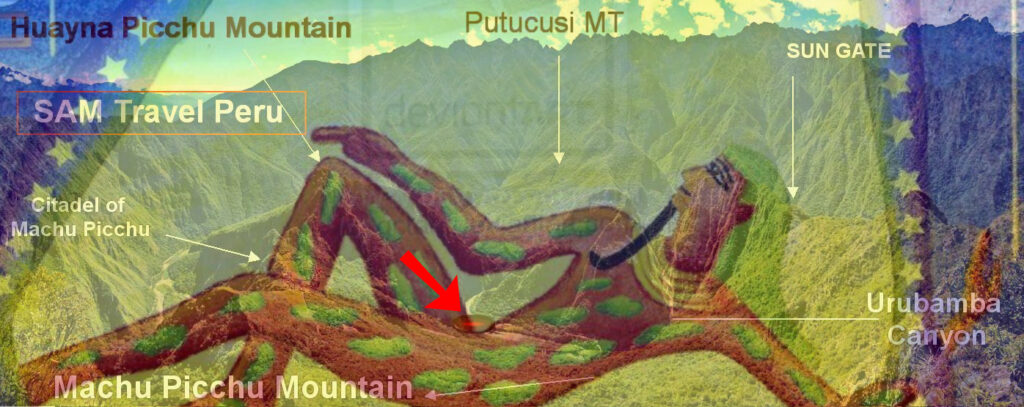
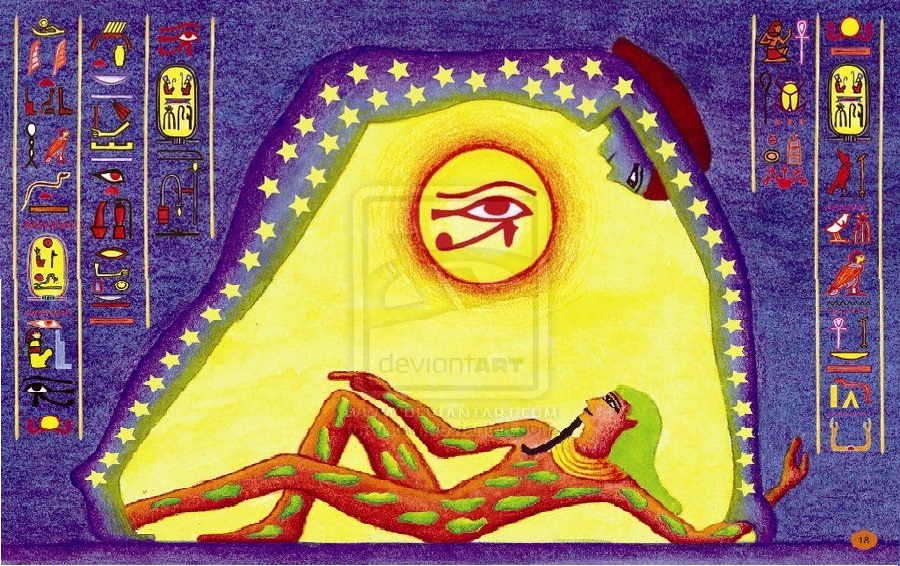
Perhaps the most groundbreaking discovery in my research involves the alignment of an Egyptian portrait of Gab and Nut with the geographical layout of Machu Picchu. In this portrait, Gab and Nut are shown in the same posture as in other depictions, but their positioning seems to correlate with the movement of the sun—specifically, sunrise and sunset.
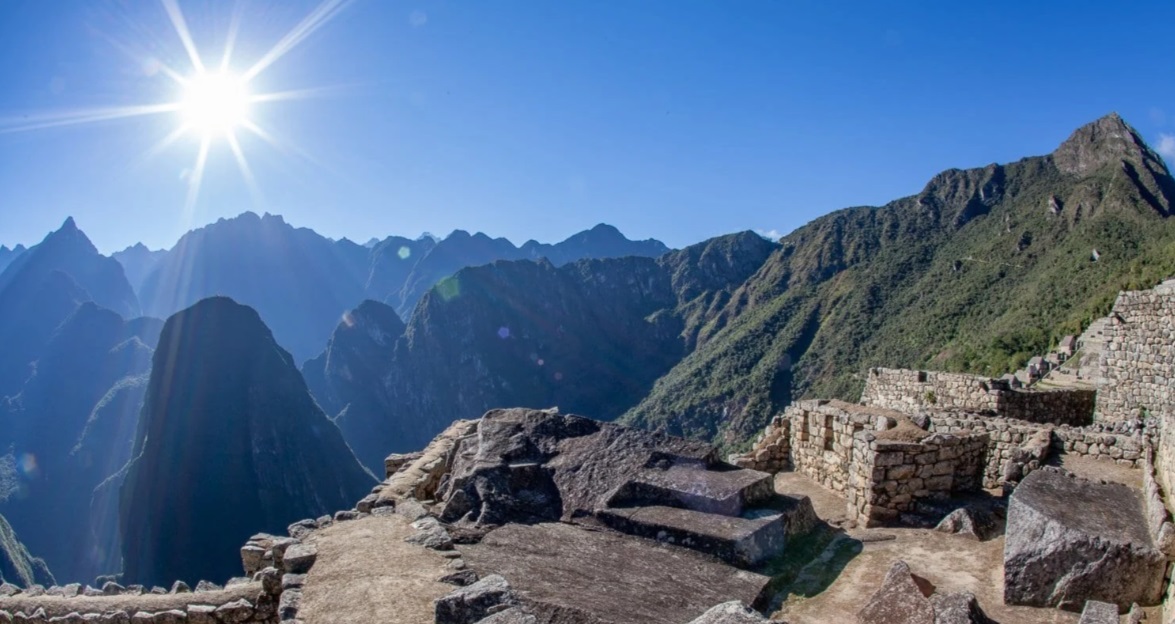
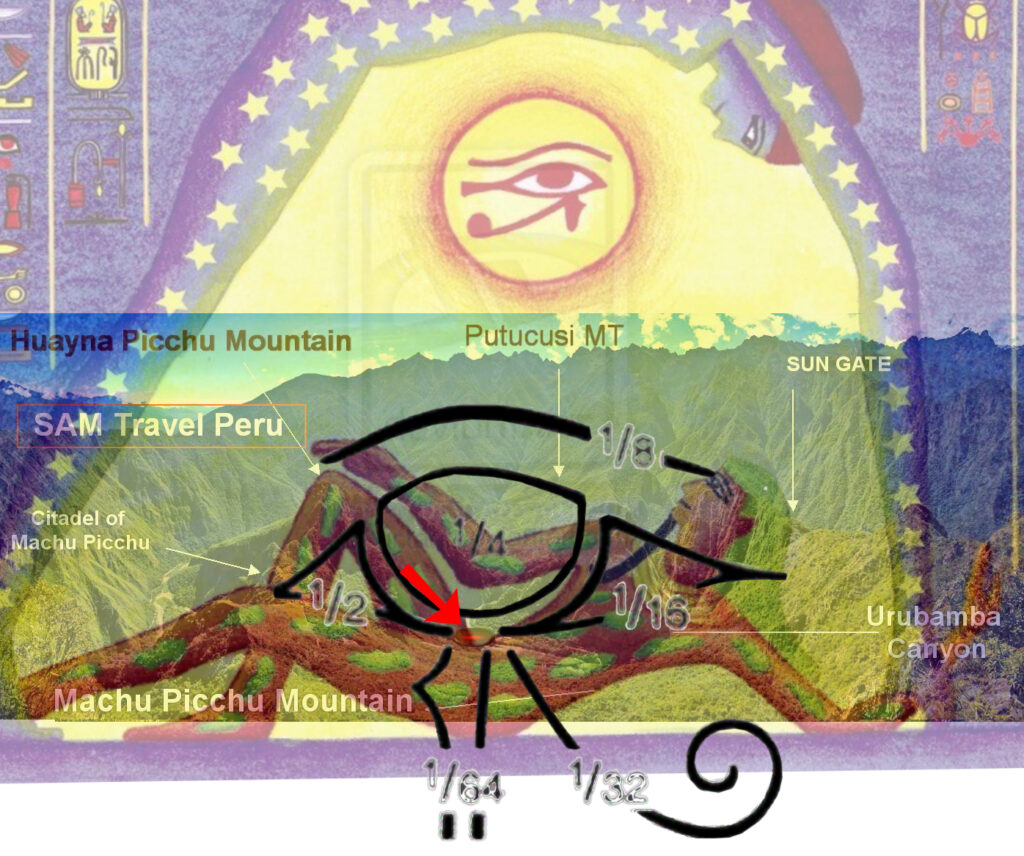
When overlaid on the topography of Machu Picchu, the portrait’s elements correspond to key solar phenomena. For example, Gab’s hand points toward a mountain behind which the sun rises, while his shoulder aligns with the position of the sun at its peak during the day. His other hand, resting on his knee and pointing, indicates the mountain where the sun sets. These alignments match with the known solar structures at Machu Picchu, such as the Sun Gate in the east and the Sun Mirror in the west.
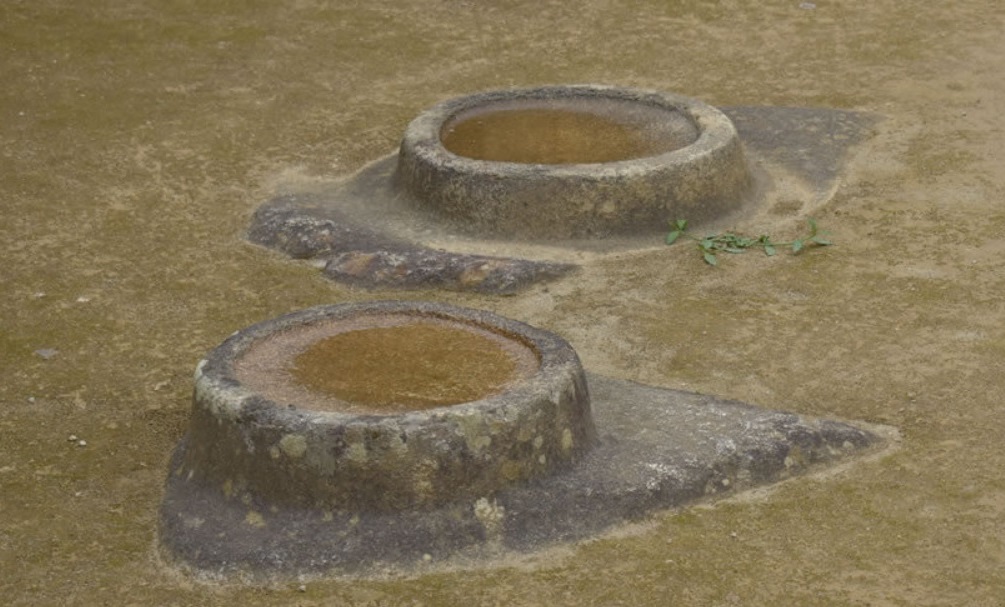
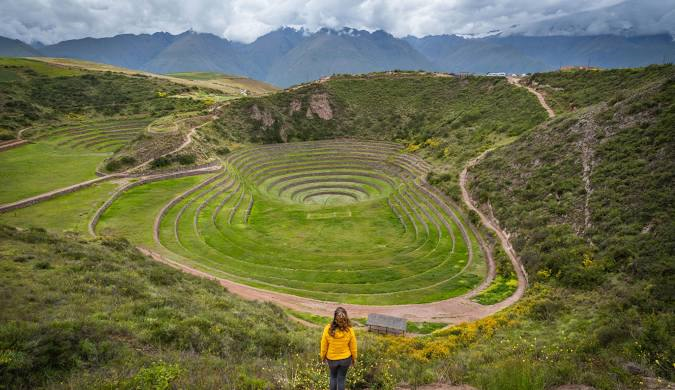
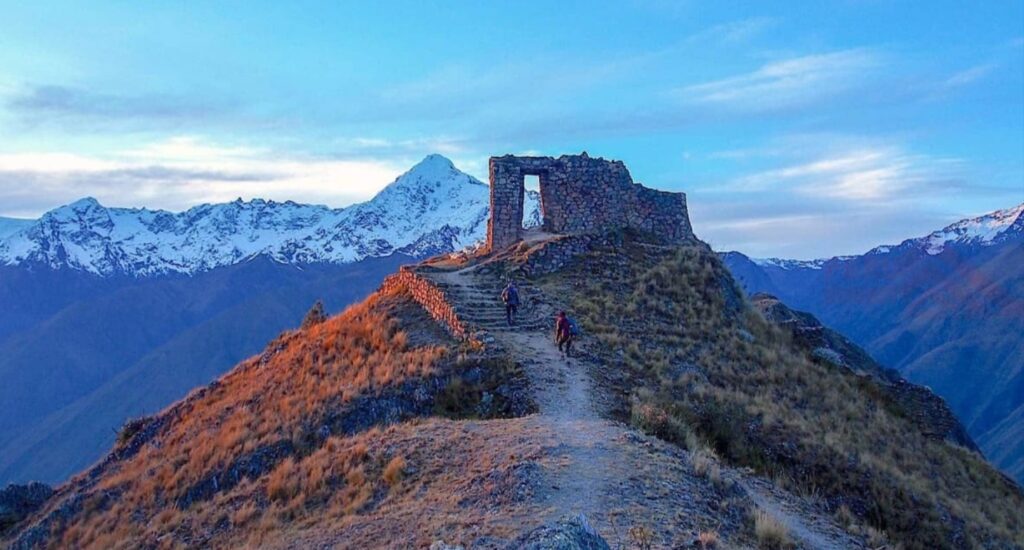
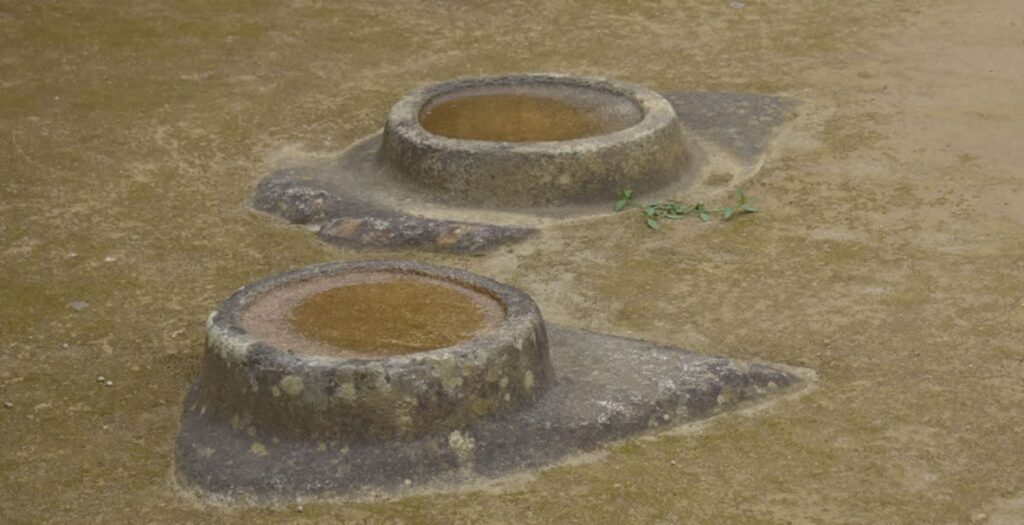
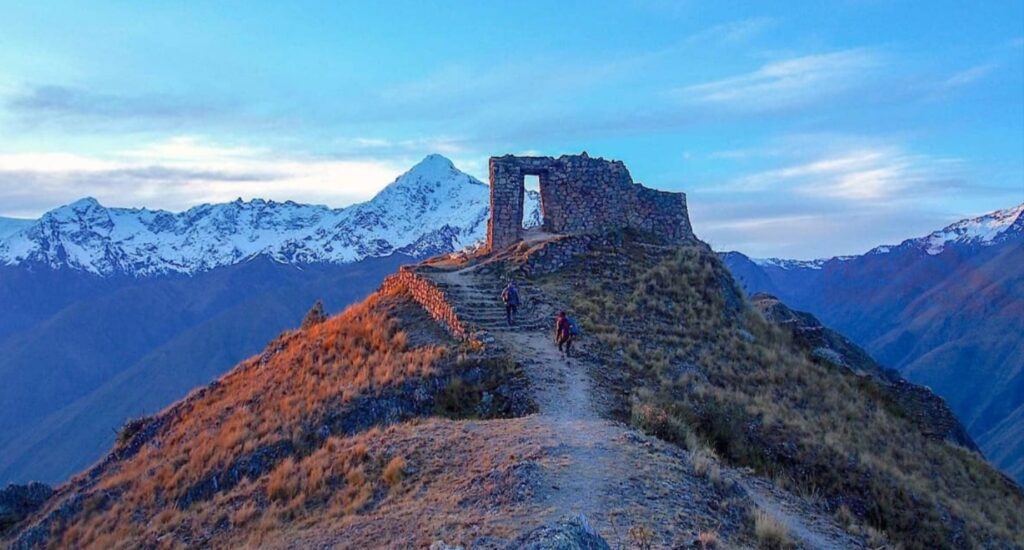
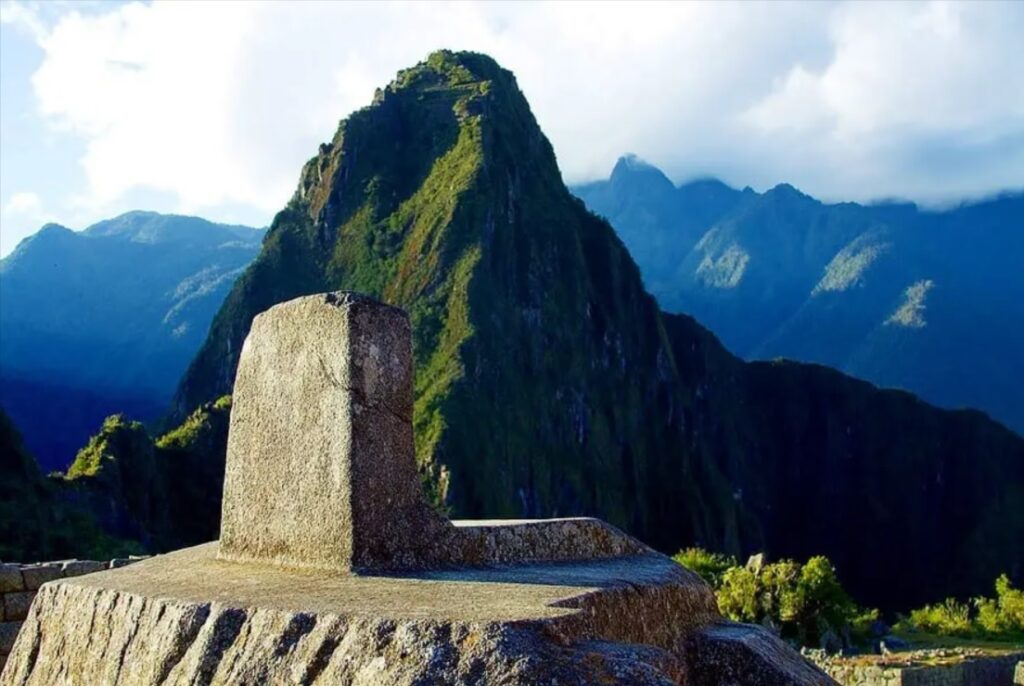
Sun MirrorsPossibly a big sun mirrorSun Crossing Putucusi in afternoonSun Gate
This discovery suggests that the Egyptians weren’t merely creating art; they were encoding astronomical and geographical knowledge into their portraits. The solar alignments depicted in these works point to the possibility that Machu Picchu’s structures, often attributed to the Incas, may have deeper roots in ancient Egyptian solar worship practices. This revelation opens the door to a new understanding of Machu Picchu, potentially placing it within the context of a much older civilization that predated the Incas and might have shared knowledge with ancient Egypt.
Conclusion: A Hidden Connection Between Egypt and Machu Picchu?
These three new discoveries—namely, the timing of the papyrus portrait, the symbolism of the two-horned figure, and the solar alignments in the Gab and Nut portrait—further bolster the argument that Machu Picchu might have been a significant site long before the rise of the Incan Empire. The possibility that an ancient, advanced civilization, perhaps connected to Egypt, once thrived in the Andes offers an exciting new direction for research.
By investigating these connections between religious texts, ancient Egyptian iconography, and Machu Picchu’s geographical features, we may uncover hidden truths about the origins of these structures and the shared knowledge of these ancient peoples. Machu Picchu could very well be a living relic of a lost civilization, one that understood the stars, the sun, and the forces that shaped their world.
Author Bio
I’m Hira Ansari, an independent researcher driven by a passion for uncovering hidden links between ancient civilizations, religious texts, and geographical mysteries. My journey began with a simple question about a Quranic verse and has since led me down a path of discovery that spans continents, religions, and millennia. From the sun mirrors of Machu Picchu to the hieroglyphs of ancient Egypt, my work aims to bridge the gap between history and modern science, offering new perspectives on our shared past.
The Eye of Horus and the Mountains of Machu Picchu: A Hidden Map?” and “Hieroglyphs as Maps: Did Ancient Egyptians Know the Location of the Gog and Magog Wall?
The Eye of Horus and the Mountains of Machu Picchu: A Hidden Map?
Throughout history, ancient civilizations left behind symbols, structures, and clues that continue to puzzle researchers today. One of the most intriguing mysteries connects the distant cultures of Egypt and South America: the symbolic Eye of Horus and the magnificent mountains of Machu Picchu. My research investigates the possibility that these ancient symbols were not merely artistic representations but detailed maps that reveal the locations of sacred sites and powerful instruments used by early civilizations. Could the Egyptian hieroglyphs, such as the Eye of Horus, hold hidden keys to uncovering the Wall of Gog and Magog and other significant locations within the Andes mountains?
The Eye of Horus: A Mysterious Symbol or a Map to Ancient Technology?
The Eye of Horus is one of the most recognized symbols in ancient Egyptian history. Known as a symbol of protection, royal power, and health, the Eye of Horus was also deeply connected to Egyptian mythology. However, recent studies suggest that this symbol may have had an even more profound purpose.
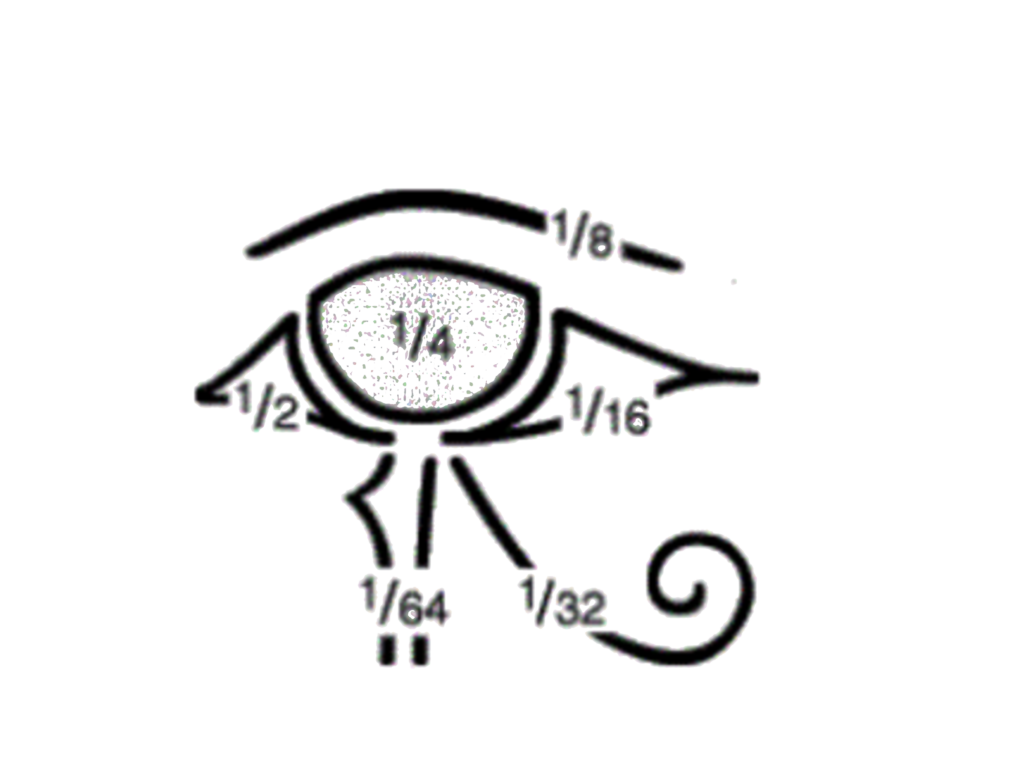
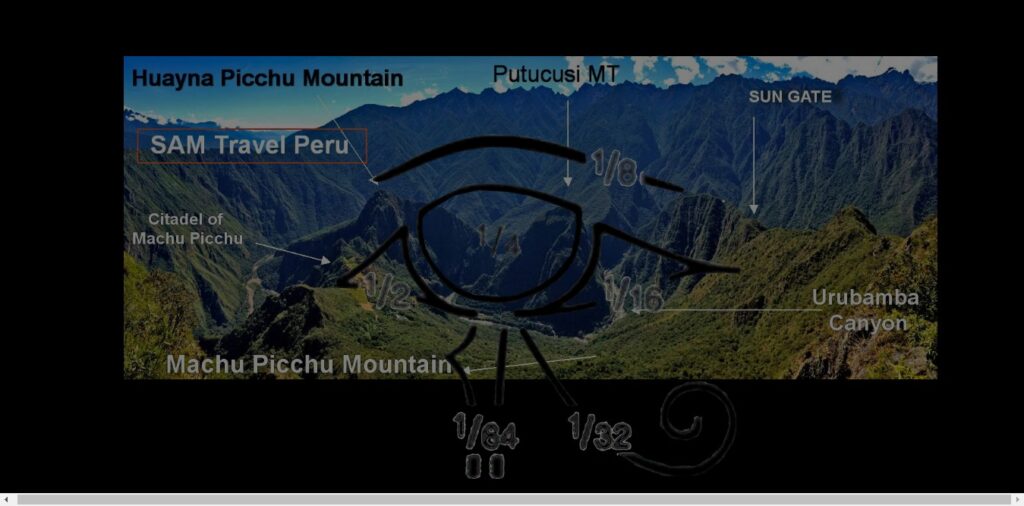
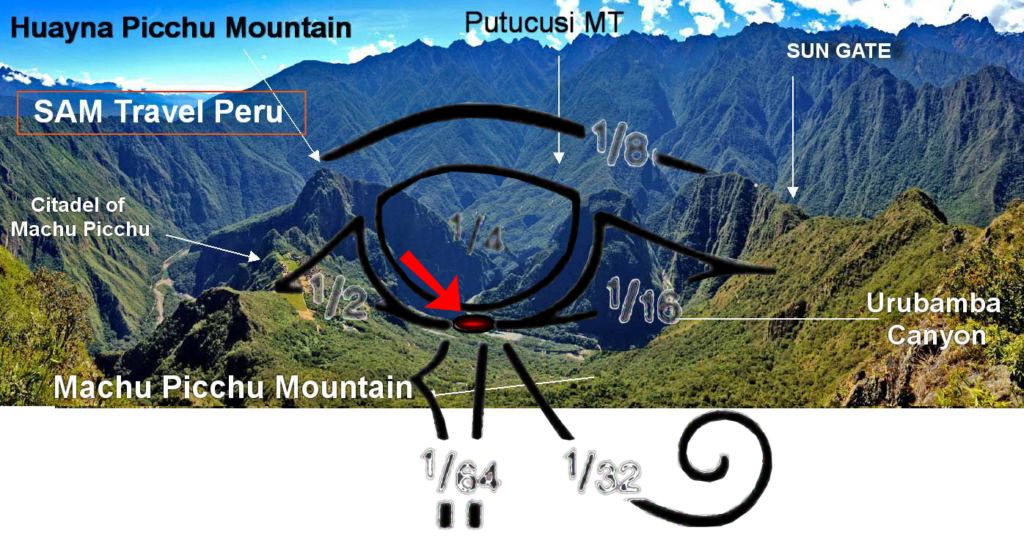
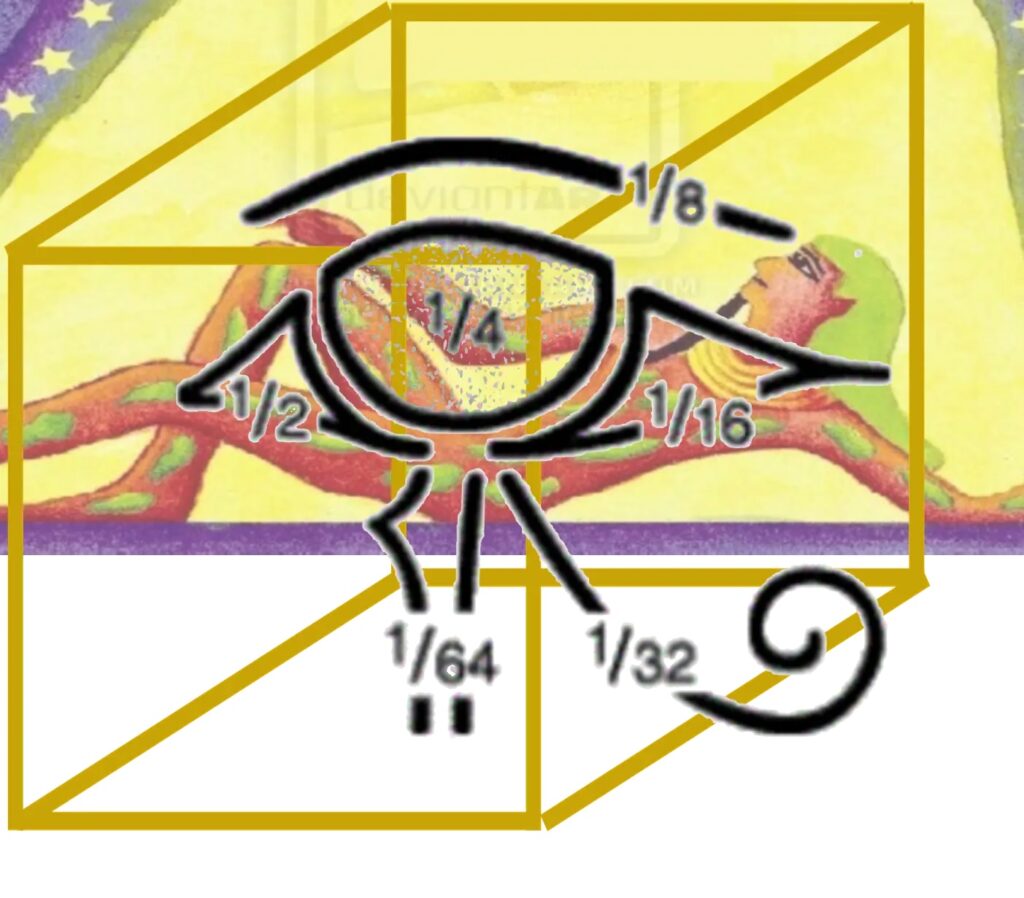
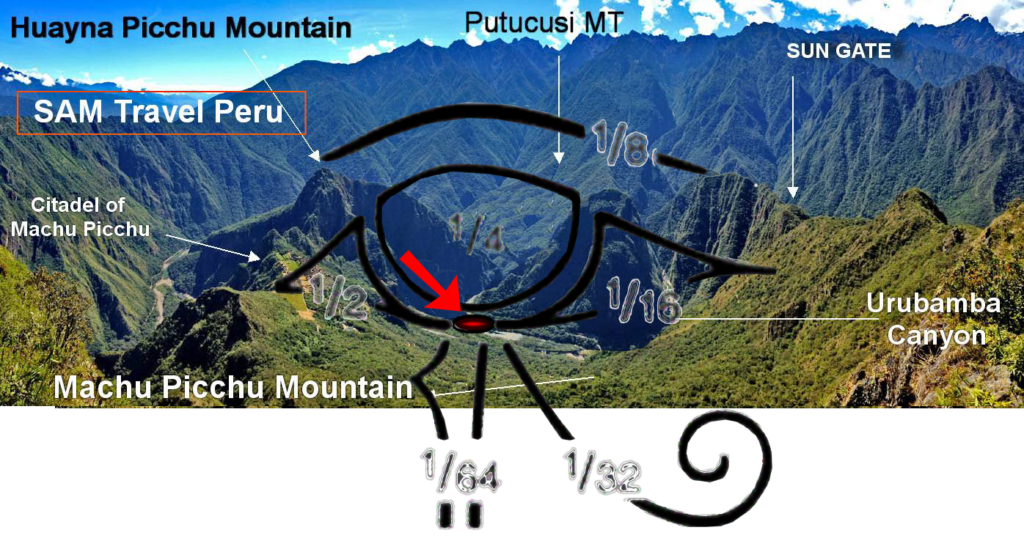
When you examine the geometrical proportions of the Eye of Horus, something remarkable happens—it aligns almost perfectly with the mountain ranges of Machu Picchu when placed on a Google satellite map. Each part of the Eye, including the pupil, eyebrow, and optic nerve, corresponds to different key locations within the Machu Picchu complex.
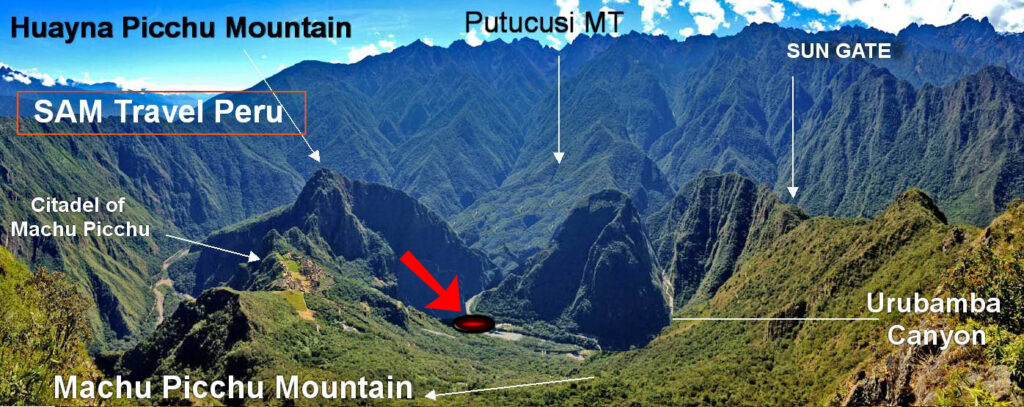
The Pupil – This area of the Eye corresponds with the Sun Mirrors on the citadel of Machu Picchu, believed to be used by sun-worshiping civilizations to catch the setting sun.
The Nerve Going to the Brain – The Sun Gate, another solar-focused structure, aligns with this part of the Eye.
The Optic Nerve – The Sun Dial, a day and season clock used by the Inca, fits the position of the optic nerve in the Eye of Horus.
This leads us to ask: Was the Eye of Horus not just a religious symbol but a geographical map, pinpointing ancient sites of astronomical and religious significance? The more we investigate these alignments, the more it appears that ancient Egyptian symbols may have served as a kind of blueprint for discovering sacred locations in other parts of the world.
Hieroglyphs as Maps: Did the Egyptians Know the Location of the Gog and Magog Wall?
In addition to the Eye of Horus, other Egyptian hieroglyphs and sacred portraits might serve as maps pointing to key locations around the world. One of the most fascinating is the portrait of Gab and Nut, often claimed to contain hidden messages about two mountains. My research suggests this portrait could be a representation of the two mountains that were said to seal the Gog and Magog Wall. The portrait, when aligned with the Machu Picchu mountains, points directly to sacred spots such as the Sun Mirror, Sun Gate, and Sun Dial.
The hieroglyphs and sacred symbols, previously thought to be mere illustrations, could in fact provide clues about significant barriers and gateways. The Wall of Gog and Magog, which according to Islamic texts was built by Prophet Zulqarnain as a barrier to prevent the corrupted tribes from wreaking havoc on Earth, is often depicted as a vertical structure. However, my research indicates that this wall could actually be a horizontal bridge or sealing mechanism, potentially covering a deep underworld—a concept that aligns with both the Quranic and Biblical interpretations.
Machu Picchu and the Egyptian Connection
Machu Picchu, located in the Andes Mountains of Peru, is not just an ancient Incan citadel. It’s a place filled with mysteries of sun worship and astronomical alignment. By placing the Eye of Horus over a satellite map of the mountains of Machu Picchu, I discovered that three specific parts of the Eye aligned perfectly with known archaeological sites, while other parts of the Eye point to undiscovered or yet-to-be-investigated areas.
Furthermore, the ancient Norte Chico civilization, which predates the Inca by millennia, may have been contemporaneous with ancient Egypt. Their knowledge of solar mechanics and sacred geometry could have been shared across cultures, possibly through the lost technology or knowledge of Prophet Zulqarnain. This civilization may have held the keys to many mysteries, including the true location of the Wall of Gog and Magog.
Discovering the Remaining Parts of the Eye
With the Sun Mirrors, Sun Gate, and Sun Dial already corresponding to known locations, I believe the remaining parts of the Eye could point to significant discoveries yet to be made.
The Eyebrow (⅛): This could represent the old position of Mount Putucusi before it was displaced, possibly sealing the gateway to the underworld.
The Right Corner of the Eye (1/16): This area could hold clues about the detachment of Mount Putucusi or lead to another significant discovery in the Machu Picchu region.
The Curved End of the Nerve (1/32): This could indicate an additional sacred site, possibly linked to the final seal of the Gog and Magog Wall.
Conclusion: A Hidden Connection Across Time and Space
The connection between the Eye of Horus and the Machu Picchu mountains suggests that ancient civilizations had a deeper understanding of geography, astronomy, and spiritual symbolism than we previously thought. Egyptian hieroglyphs, such as the Eye of Horus and the portrait of Gab and Nut, might serve as ancient maps, guiding us to hidden sites of great importance—potentially even the Wall of Gog and Magog itself.
As we continue to explore these alignments and unravel the mysteries of the past, we may come closer to uncovering the true purpose behind these ancient symbols and the forgotten knowledge they hold.
About Me
My name is Hira Ansari, and I am deeply fascinated by the intersection of ancient religious texts and modern-day discoveries. My research bridges the gap between the profound mysteries of the Quran and the intriguing archaeological sites that still captivate our imaginations today. By investigating connections like the Eye of Horus and Machu Picchu, I aim to uncover lost knowledge and reveal the incredible wisdom that ancient civilizations once possessed. Join me as we explore these mysteries together and delve into the hidden truths that continue to shape our understanding of history and spirituality.
The story of Prophet Zulqarnain is one of the most fascinating and enigmatic narratives found in the Quran. His journey across distant lands, mentioned in Surah Al-Kahf, has captivated scholars and believers alike for centuries. But what if these ancient Quranic verses hold more than just spiritual lessons? What if they contain clues to lost civilizations and forgotten technologies?
Recent research suggests that the Quranic account of Prophet Zulqarnain might actually point to the hidden sun instruments of Machu Picchu—an extraordinary discovery that connects the divine journey of the prophet with the awe-inspiring wonders of the Incan Empire. Could the mysterious Sun Mirror, Sun Gate, and Sun Dial mentioned in the Quran be actual historical instruments hidden within the mountains of Peru? Let’s dive into this intriguing theory.
Quranic Verses: The Journey of Zulqarnain
In Surah Al-Kahf (Chapter 18), the Quran narrates the journey of Zulqarnain, a powerful ruler who traversed the earth from the east to the west. In this journey, Zulqarnain encounters different people and lands, each with unique characteristics and challenges. Two key verses stand out:
Surah Al-Kahf, Verse 86: “Until, when he reached the setting of the sun, he found it set in a spring of murky water: Near it, he found a People: We said: ‘O Zulqarnain! (You have authority,) either to punish them, or to treat them with kindness.’”
Surah Al-Kahf, Verse 90: “Until, when he came to the rising of the sun, he found it rising on a people for whom We had provided no covering protection against the sun.”
These verses describe Zulqarnain’s encounter with the “setting” and “rising” of the sun, but what if these descriptions are more than mere references to the time of day? Could they be pointing to something far more significant—an ancient civilization that worshipped the sun and used advanced instruments to track its movement?
The Hidden Sun Instruments of Machu Picchu
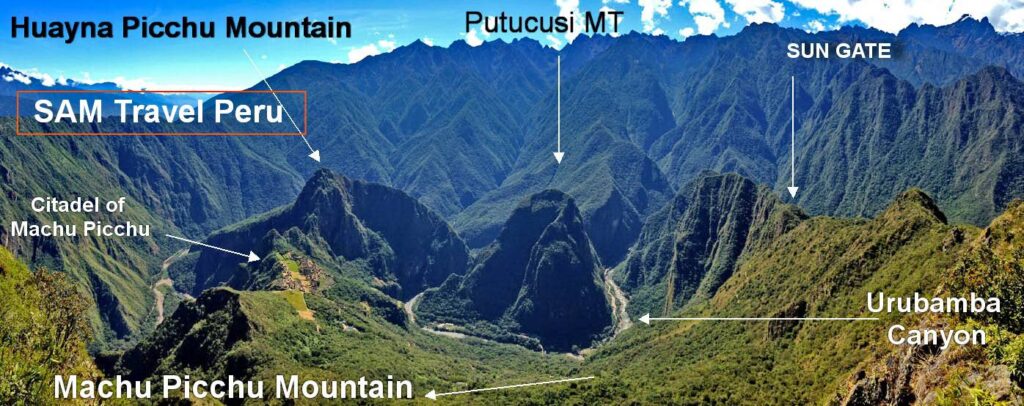
The Incan citadel of Machu Picchu, nestled high in the Andes Mountains of Peru, is known for its incredible engineering and alignment with celestial phenomena. Within its ancient ruins, three instruments stand out for their connection to the sun: the Sun Mirror, the Sun Gate, and the Sun Dial.
1. The Sun Mirror (Murky Water Reflection)
The verse referring to the setting sun being found in a “spring of murky water” has long been interpreted metaphorically. However, recent interpretations suggest this may actually describe a Sun Mirror—a reflective surface used to capture the image of the setting sun. The Sun Mirror could have been used by the Incans to track the sun’s path as it dipped below the horizon, much like the description found in the Quran.
2. The Sun Gate (Sunrise Observation Point)
The Sun Gate of Machu Picchu is perfectly aligned with the sun during the solstices, marking the rise of the sun over the horizon in a stunning display of natural and architectural harmony. This may be what the Quran refers to when it mentions the rising of the sun over people who had “no covering protection against the sun.” It’s possible that Zulqarnain’s journey took him to a place where the people, like the Incas, used the rising sun as part of their spiritual practices and way of life.
3. The Sun Dial (Tracking Time and Seasons)
The third significant instrument in Machu Picchu is the Sun Dial, or Intihuatana Stone, used to mark the passing of time and the changing of the seasons. This instrument aligns perfectly with the Quranic description of Zulqarnain bringing knowledge and guidance to the people he encountered. The Sun Dial could have been a tool used by Zulqarnain to teach the people about the divine purpose of the sun—not as an object of worship, but as a means of measuring time and connecting with the Creator.
The Connection Between Zulqarnain and Machu Picchu
While traditional interpretations place the events of Zulqarnain’s journey somewhere in the Middle East or Central Asia, these new findings open the door to a surprising possibility: could Zulqarnain have traveled to South America, to the mountains of Peru, where the sun worshippers of Machu Picchu once lived?
The alignment of these Quranic verses with the geographical and historical features of Machu Picchu is striking. Both point to a society deeply connected to the sun, one that used advanced instruments to observe, measure, and harness the power of this celestial body. Perhaps Zulqarnain’s journey was not just a spiritual or metaphorical one but also a physical expedition that brought him to the very heart of the Incan civilization.
Conclusion: A New Perspective on Ancient History
The story of Prophet Zulqarnain is more than just a tale of a righteous ruler; it may also be a window into the lost technologies and forgotten civilizations of the past. The hidden sun instruments of Machu Picchu—aligned with Quranic descriptions—offer a tantalizing glimpse into the advanced knowledge possessed by ancient peoples.
As we continue to uncover new connections between religious texts and historical sites, it becomes clear that the world’s spiritual and material histories are more intertwined than we once thought. The Quranic verses about Zulqarnain’s journey may hold the key to unlocking the mysteries of one of the most enigmatic civilizations in history—the Incas of Machu Picchu.
About Me
My name is Hira Ansari, and I’m a passionate researcher exploring the profound connections between Quranic verses and ancient civilizations. Over the years, my journey has taken me deep into the realms of spiritual insight and historical discovery. My research delves into mysterious topics such as the Wall of Gog and Magog, the enigma of Prophet Zulqarnain, and the hidden technological marvels of Machu Picchu. I aim to bridge the gap between religious texts and modern scientific understanding, uncovering lost knowledge and forgotten truths that still resonate with us today. Through my writings and studies, I strive to shed light on the Quran’s subtle hints toward astronomical phenomena, ancient engineering, and the intersection of faith and science.
Explore the Quranic verses and new interpretations that suggest the Wall of Yajuj Majuj or Gog of Magog is not vertical but horizontal, sealing a gateway to the underworld.
Introduction
For centuries, scholars and researchers have pondered the mystery of the Wall of Gog and Magog, as mentioned in various religious texts, including the Quran and the Bible. Traditionally, this wall has been understood as a towering vertical structure, meant to hold back the destructive forces of Gog and Magog until the Day of Judgment. However, a new interpretation suggests that the Wall of Gog and Magog may not be a vertical structure at all. Instead, it could be a horizontal barrier, sealing a deep passageway leading to the underworld. This hypothesis, drawn from a fresh analysis of Quranic verses and historical context, opens up fascinating possibilities about the true nature of this ancient barrier.
Quranic Verses and the Horizontal Barrier Interpretation
The Wall of Gog and Magog is primarily mentioned in Surah Al-Kahf (Chapter 18) of the Quran. The verses describe the journey of a powerful and just ruler named Zulqarnain, who travels to distant lands and encounters a group of people living between two mountains. These people request his help in building a barrier to protect them from the corrupt forces of Gog and Magog.
Quran, Chapter 18: Verses 94-98: 94 – They said, “O Zul-Qarnain, Gog and Magog are corruptors of the earth. Can we pay you to create a barrier between us and them?” 95 – He said, “My Lord has given me great bounties. If you cooperate with me, I will build a dam between you and them.” 96 – Bring to me masses of iron. Once he filled the gap between the two palisades, he said, “Blow.” Once it was red hot, he said, “Help me pour tar on top of it.” 97- Thus, they could not climb it, nor could they bore holes in it. 98 – He said, “This is mercy from my Lord. When the prophecy of my Lord comes to pass, He will cause the dam to crumble. The prophecy of my Lord is truth.”
Traditionally, this has been understood as a wall that stretches vertically between two mountains. However, if we examine the Quranic Arabic, the word used for the barrier is “Radm” (رَدْمًا), which can mean “to block, fill up, or shut.” This word doesn’t specify the direction of the barrier—whether vertical or horizontal. Could it be possible that Zulqarnain created a horizontal sealing rather than a vertical wall?
The Case for a Horizontal Barrier
A deeper interpretation of the word “Radm” leads to the hypothesis that the Wall of Gog and Magog is, in fact, a horizontal barrier. Rather than envisioning a towering structure reaching the sky, we can consider that Zulqarnain may have sealed a massive hole, chasm, or passageway that led to the underworld—an abyss where Gog and Magog were trapped. This barrier could have been laid flat across the ground, effectively preventing Gog and Magog from ascending to the surface world.
Quran, Chapter 18: Verse 97: Thus, they could not climb it, nor could they bore holes in it.
The inability of Yajuj Majuj or Gog of Magog to “climb” or “bore” through the barrier could further support this horizontal interpretation. If the barrier were laid horizontally, Gog Magog would be unable to ascend from the depths of the earth, nor could they break through from below. Additionally, Zulqarnain’s use of iron and molten tar, poured to fill the gap, aligns with the concept of sealing a deep fissure or hole, much like a modern engineer might seal a dangerous crevice.
Sealing the Underworld: A Gateway to Gog and Magog
In various religious traditions, the underworld is seen as a place where malevolent forces dwell, often sealed away from the human world. The notion of Gog and Magog being trapped beneath the earth resonates with ancient mythologies that speak of great monsters or corrupt beings imprisoned in the depths until the end of time. If we interpret the Wall of Gog and Magog as a horizontal seal, it aligns with the belief that these forces are kept in the underworld until their eventual release as part of the apocalypse.
In support of this idea, the Quran describes Gog and Magog’s eventual release in Surah Al-Anbiyah (Chapter 21):
Quran, Chapter 21: Verse 96: (This inviolable law will remain in force) even when (the great powers like) Gog and Magog are let loose and come crashing down from every height and from the crest of every wave, and when they occupy every point of vantage (dominating the whole world and when they excel all other nations).
The verse describes Gog and Magog being let loose and coming down from every height, suggesting that they are initially trapped below the surface, only to ascend when the barrier is broken. This could occur due to natural events like earthquakes, volcanic eruptions, or other disasters that would crack the horizontal seal.
The Location of the Barrier: Could It Be Machu Picchu?
So, where might this horizontal barrier be located? According to the thesis presented here, the mountains of Machu Picchu in Peru could be the site of this ancient seal. The Inca civilization, known for its impressive stonework and mountainous terrain, built significant structures that align with the descriptions of sun instruments and hidden barriers mentioned in the Quranic verses.
Machu Picchu is surrounded by mountains, and there are deep valleys and natural formations that could have been sealed off by a horizontal barrier. The possibility that Zulqarnain traveled to this region and constructed a horizontal barrier to protect the world from the underworld’s forces is worth exploring in light of both historical and religious texts.
Conclusion
The Wall of Gog and Magog has fascinated scholars and believers for centuries. By reinterpreting the Quranic text, we can consider that this wall may not be the towering vertical structure many have imagined. Instead, it could be a horizontal barrier, sealing a deep passageway leading to the underworld, where the destructive forces of Gog and Magog remain trapped until their eventual release in the end times. Whether this barrier is located in the mountains of Peru or elsewhere, the mystery remains compelling and deserves further exploration.
As modern researchers continue to unearth new insights into ancient civilizations and religious texts, the true nature of this ancient barrier may someday be revealed.
Author Bio
Hi, I’m Hira Ansari, a passionate researcher and writer deeply interested in uncovering the mysteries of ancient history, religious texts, and their connections to modern science. With a background in social sciences and technology, I combine both traditional scholarship and cutting-edge research methods to explore thought-provoking topics such as the Wall of Gog and Magog, the origin of the Antichrist, and the scientific explanations of events mentioned in the Quran. My work delves into uncharted territories, presenting fresh interpretations that bridge faith and reason, and I’m committed to sharing these insights with the world. Through my research, I aim to inspire meaningful conversations, challenge conventional views, and offer new perspectives on ancient mysteries.