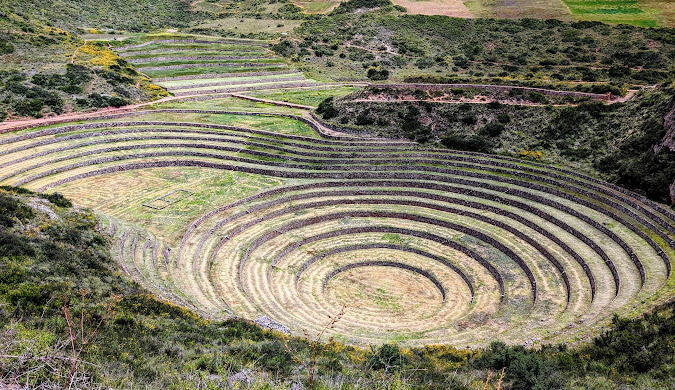
The story of Prophet Zulqarnain is one of the most fascinating and enigmatic narratives found in the Quran. His journey across distant lands, mentioned in Surah Al-Kahf, has captivated scholars and believers alike for centuries. But what if these ancient Quranic verses hold more than just spiritual lessons? What if they contain clues to lost civilizations and forgotten technologies?
Recent research suggests that the Quranic account of Prophet Zulqarnain might actually point to the hidden sun instruments of Machu Picchu—an extraordinary discovery that connects the divine journey of the prophet with the awe-inspiring wonders of the Incan Empire. Could the mysterious Sun Mirror, Sun Gate, and Sun Dial mentioned in the Quran be actual historical instruments hidden within the mountains of Peru? Let’s dive into this intriguing theory.
Quranic Verses: The Journey of Zulqarnain
In Surah Al-Kahf (Chapter 18), the Quran narrates the journey of Zulqarnain, a powerful ruler who traversed the earth from the east to the west. In this journey, Zulqarnain encounters different people and lands, each with unique characteristics and challenges. Two key verses stand out:
- Surah Al-Kahf, Verse 86: “Until, when he reached the setting of the sun, he found it set in a spring of murky water: Near it, he found a People: We said: ‘O Zulqarnain! (You have authority,) either to punish them, or to treat them with kindness.’”
- Surah Al-Kahf, Verse 90: “Until, when he came to the rising of the sun, he found it rising on a people for whom We had provided no covering protection against the sun.”
These verses describe Zulqarnain’s encounter with the “setting” and “rising” of the sun, but what if these descriptions are more than mere references to the time of day? Could they be pointing to something far more significant—an ancient civilization that worshipped the sun and used advanced instruments to track its movement?
The Hidden Sun Instruments of Machu Picchu
The Incan citadel of Machu Picchu, nestled high in the Andes Mountains of Peru, is known for its incredible engineering and alignment with celestial phenomena. Within its ancient ruins, three instruments stand out for their connection to the sun: the Sun Mirror, the Sun Gate, and the Sun Dial.
1. The Sun Mirror (Murky Water Reflection)
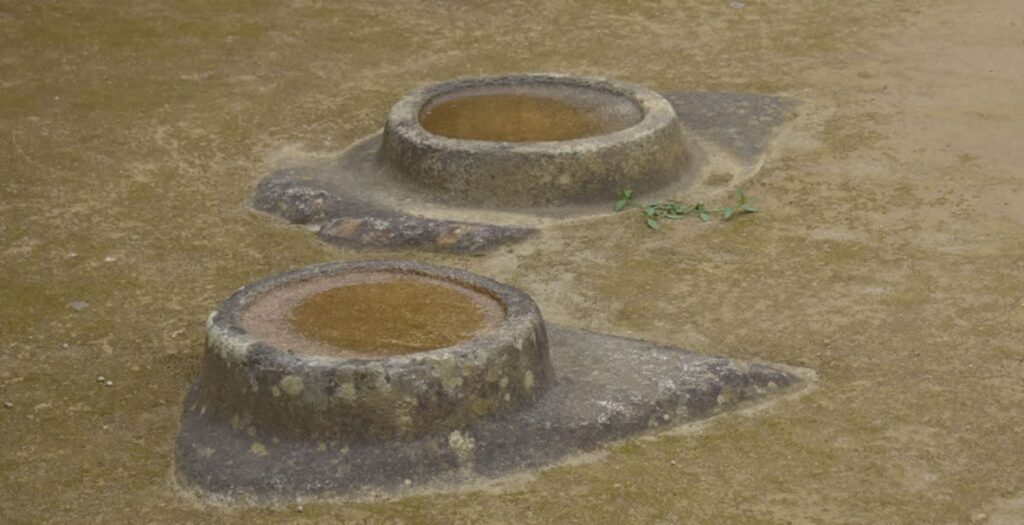
The verse referring to the setting sun being found in a “spring of murky water” has long been interpreted metaphorically. However, recent interpretations suggest this may actually describe a Sun Mirror—a reflective surface used to capture the image of the setting sun. The Sun Mirror could have been used by the Incans to track the sun’s path as it dipped below the horizon, much like the description found in the Quran.
2. The Sun Gate (Sunrise Observation Point)
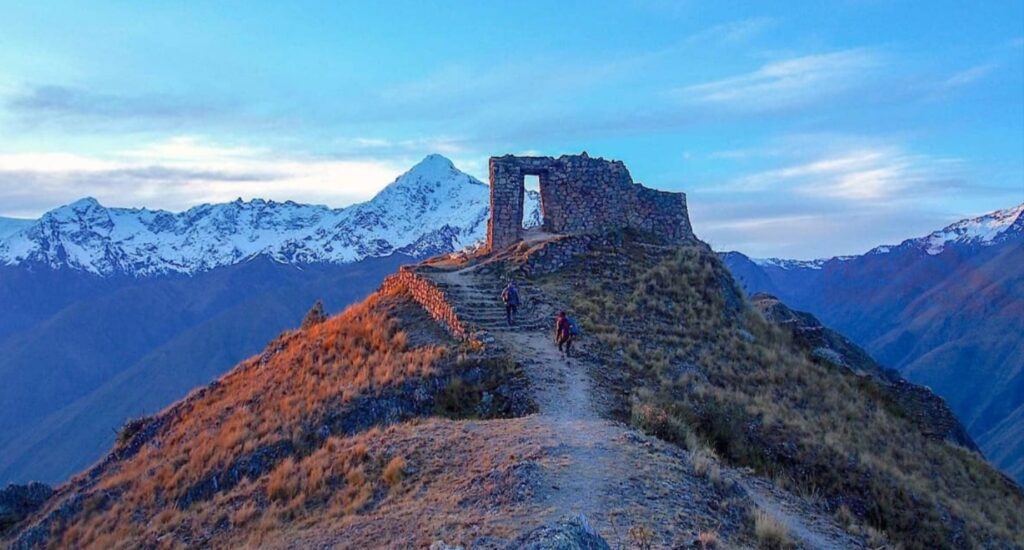
The Sun Gate of Machu Picchu is perfectly aligned with the sun during the solstices, marking the rise of the sun over the horizon in a stunning display of natural and architectural harmony. This may be what the Quran refers to when it mentions the rising of the sun over people who had “no covering protection against the sun.” It’s possible that Zulqarnain’s journey took him to a place where the people, like the Incas, used the rising sun as part of their spiritual practices and way of life.
3. The Sun Dial (Tracking Time and Seasons)
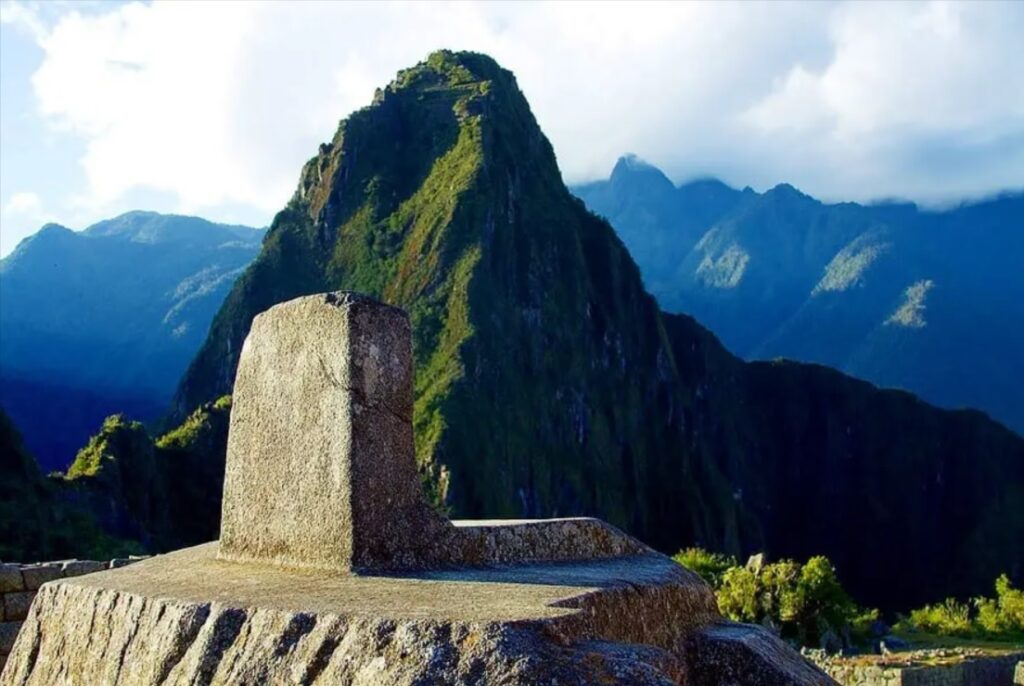
The third significant instrument in Machu Picchu is the Sun Dial, or Intihuatana Stone, used to mark the passing of time and the changing of the seasons. This instrument aligns perfectly with the Quranic description of Zulqarnain bringing knowledge and guidance to the people he encountered. The Sun Dial could have been a tool used by Zulqarnain to teach the people about the divine purpose of the sun—not as an object of worship, but as a means of measuring time and connecting with the Creator.
The Connection Between Zulqarnain and Machu Picchu
While traditional interpretations place the events of Zulqarnain’s journey somewhere in the Middle East or Central Asia, these new findings open the door to a surprising possibility: could Zulqarnain have traveled to South America, to the mountains of Peru, where the sun worshippers of Machu Picchu once lived?
The alignment of these Quranic verses with the geographical and historical features of Machu Picchu is striking. Both point to a society deeply connected to the sun, one that used advanced instruments to observe, measure, and harness the power of this celestial body. Perhaps Zulqarnain’s journey was not just a spiritual or metaphorical one but also a physical expedition that brought him to the very heart of the Incan civilization.
Conclusion: A New Perspective on Ancient History
The story of Prophet Zulqarnain is more than just a tale of a righteous ruler; it may also be a window into the lost technologies and forgotten civilizations of the past. The hidden sun instruments of Machu Picchu—aligned with Quranic descriptions—offer a tantalizing glimpse into the advanced knowledge possessed by ancient peoples.
As we continue to uncover new connections between religious texts and historical sites, it becomes clear that the world’s spiritual and material histories are more intertwined than we once thought. The Quranic verses about Zulqarnain’s journey may hold the key to unlocking the mysteries of one of the most enigmatic civilizations in history—the Incas of Machu Picchu.
About Me
My name is Hira Ansari, and I’m a passionate researcher exploring the profound connections between Quranic verses and ancient civilizations. Over the years, my journey has taken me deep into the realms of spiritual insight and historical discovery. My research delves into mysterious topics such as the Wall of Gog and Magog, the enigma of Prophet Zulqarnain, and the hidden technological marvels of Machu Picchu. I aim to bridge the gap between religious texts and modern scientific understanding, uncovering lost knowledge and forgotten truths that still resonate with us today. Through my writings and studies, I strive to shed light on the Quran’s subtle hints toward astronomical phenomena, ancient engineering, and the intersection of faith and science.